Salesforce Territory Management for Industrial Sales Organizations
Plant-level production data transforms territory accuracy in Salesforce.
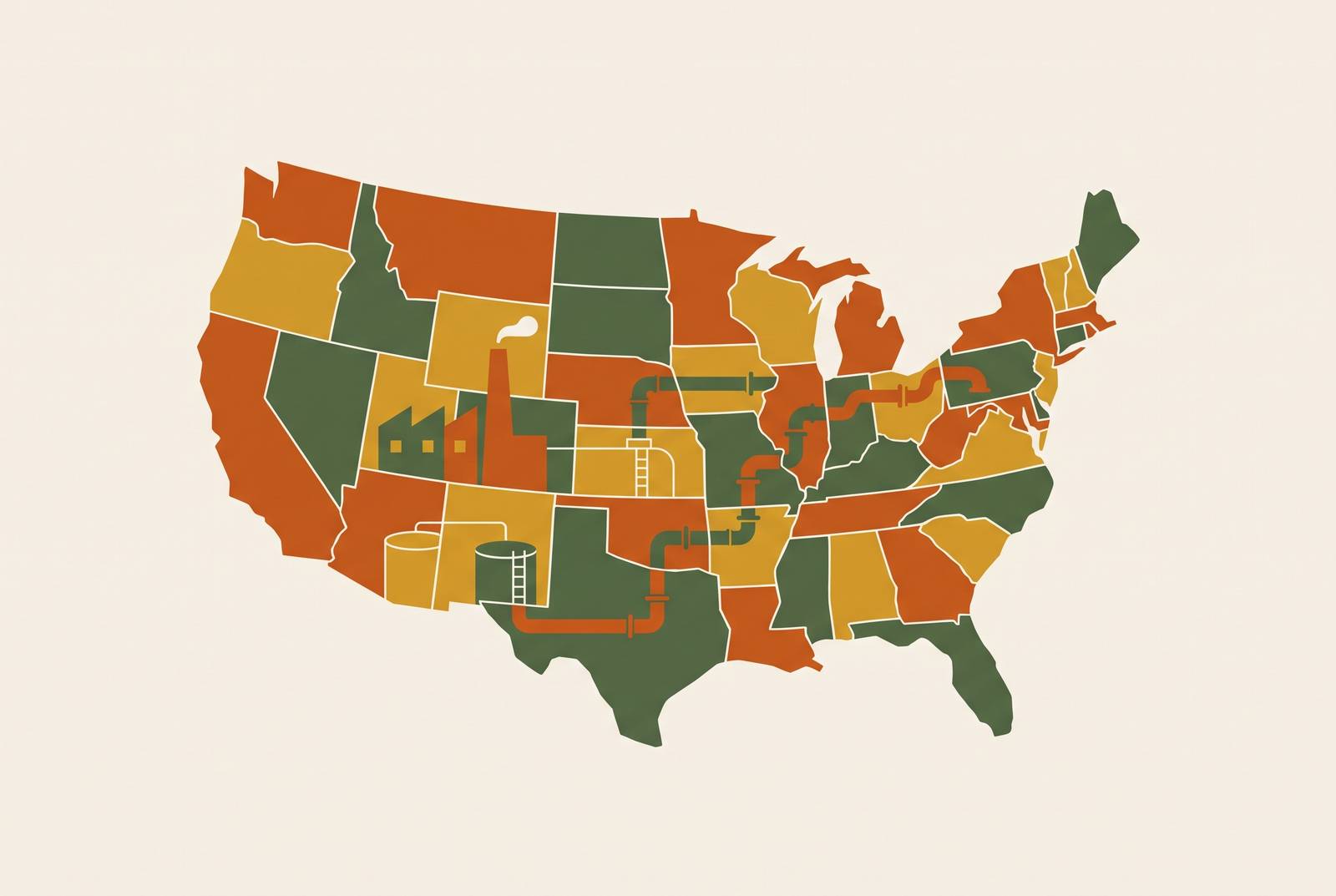
Salesforce territory management for industrial sales organizations must reflect where plants produce and buy. To enrich Salesforce and HubSpot with real manufacturing facility data, teams add production volumes, equipment, and activity signals to plant-level records. Corvus provides this manufacturing intelligence through direct CRM integrations, giving territory rules inputs that company classifications and headcounts cannot supply.
Why standard Salesforce territory models break in industrial sales
A global OEM recorded as a single account in Chicago can conceal a dozen distinct plants. Each facility may have its own manager, budget, production lines, and buying cycle, yet the headquarters record collapses those differences into one unit of coverage. The purchasing entity in manufacturing is the plant. Territory logic that operates only on the parent therefore suppresses both pipeline visibility and the basis for assigning coverage.
Salesforce's native Territory Management tool uses account-level attributes such as region, company size, and industry to build territories. Those attributes can describe the company without describing the production work at any particular location. NAICS codes and headcounts have the same limitation when used as enrichment inputs. They say nothing about what a facility makes, how many shifts it runs, or which consumables and equipment its production requires. A CRM is only as useful as the manufacturing intelligence feeding those decisions.
This missing detail produces territories that appear balanced but contain very different revenue potential. Some reps cover dense manufacturing corridors without a full inventory of the plants inside them. Others cover large areas where little is being produced. Plant-level intelligence platforms, including Corvus, track what happens at hundreds of thousands of manufacturing facilities, with 60+ data points for each location. That granularity makes the distinct buying centers inside one corporate account visible.
How to enrich Salesforce accounts with actual manufacturing plant production data
A useful plant record tells a rep what happens at the facility before the first call. It captures what the plant manufactures, production volumes, shift counts, and equipment types in operation. A plant's environmental and regulatory footprint and certifications tell reps more than its corporate classification can. Production-linked technographics, including ERP and MES systems in use, provide further operational context. These fields matter because they change what the rep knows about likely purchasing needs.
Shift count makes the difference tangible. A 40-person plant on one shift buys differently than a 400-person plant running three shifts. Consumption of metalworking fluids, coatings, packaging materials, or water treatment chemicals is directly tied to production intensity. A company-size field cannot show that relationship at each site. A facility record that combines output, equipment, and shifts gives the rep a basis for understanding demand.
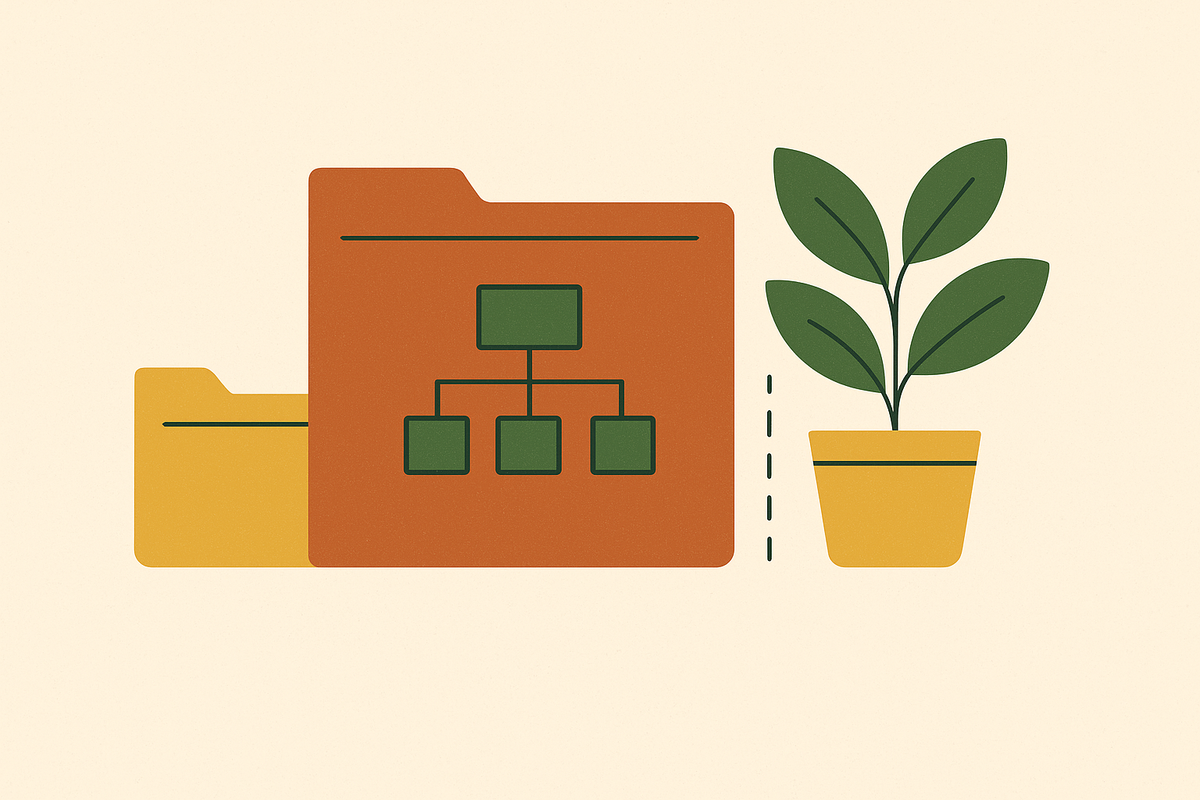
The CRM architecture must preserve that distinction through a parent account for the corporate group and child accounts for individual plants or subsidiaries. Activity and revenue roll up to the parent, and teams can still use each plant's data for territory assignment. This structure supports both local coverage and account-level forecasting without treating them as the same task. A manageable set of well-configured plant records will forecast more reliably than tens of thousands of company names attached only to headquarters addresses and switchboard numbers.
How manufacturing buying signals differ from standard B2B intent data
Events in physical production show manufacturing demand that digital research alone does not reveal. A VP of Operations evaluating a new packaging line may call peers, request spec sheets directly, and work through established vendor relationships. A plant manager sourcing metalworking fluids may follow the same pattern. Neither has to read a blog and leave a useful buying signal. Web-intent data therefore misses much of the behavior that matters to industrial territory planning.
The more relevant signals include new facility permits, equipment RFPs, CapEx announcements, new production lines, and shift additions. Operations hiring patterns, facility renovation permits, and changes in regulatory compliance also show how work at a plant is changing. A year-over-year CapEx increase is especially meaningful because it represents board-approved capital. Where manufacturing intelligence platforms such as Corvus capture real-time activity signals, the useful distinction is their connection to physical production.
ERP and order management systems provide another set of signals from customers who already buy. Declining orders over several months, service tickets spiking on aging equipment, and credit holds can indicate changes that deserve rep attention. These signals should flow into the CRM as alerts that inform account coverage. The consequence for territory design is direct. Coverage should be weighted toward the places where operational demand signals concentrate.
Why geography-first territory segmentation produces uneven industrial coverage
A rep covering rural Pennsylvania may have three times the territory of a rep in New Jersey but only a fraction of the plant count and production volume. Square mileage measures the extent of the territory. County-line boundaries can therefore distribute land evenly while distributing opportunity unevenly.
Equal account counts do not resolve that mismatch. A handful of high-activity plants with active CapEx programs can represent more near-term revenue potential than a much larger group without purchasing signals. Treating both groups as equal overlooks how much they produce and how much they have committed to spend. It also leaves the corporate-account problem intact when one account contains several buying centers.
Drive-time-radius territories better reflect field sales work than county boundaries, but travel is only one dimension. Drive time does not measure production density, product fit, or demand-signal concentration. A rep who understands machining and metalworking fluids approaches those buying decisions differently from a generalist covering the same area.
Building territories in Salesforce that reflect manufacturing density
Set up the account hierarchy before using territory rules. Corporate groups need parent accounts, and each plant needs a child account with the production and signal data used to assign it. Without that prerequisite, even carefully written rules filter the wrong unit of demand. Only then can the territory model distinguish plant coverage from parent-account reporting.
Next, build assignment rules that use plant-level attributes together instead of keeping geographic and industrial models separate. The fields to use include production vertical, facility type, active demand signals, and an estimate of how much the plant uses in each product category. Food and beverage, metalworking, and specialty chemicals provide examples of production verticals. Discrete versus process manufacturing distinguishes facility types, while a recent CapEx announcement, new shift, or permit supplies demand context. These attributes together determine both fit and coverage priority.
With Salesforce's native Enterprise Territory Management, teams can use rule-based territory logic, model scenarios before they go live, and reassign accounts. It grants territory-based account access while leaving account ownership unchanged. Historical data retention and reporting continuity require additional configuration and have limitations. Those distinctions matter when moving from a proposed design to an active model. The rules can support plant-level coverage, but they cannot compensate for missing plant fields.
Salesforce Maps then adds territory visualization, workload balancing, and field routing based on live account data. It supports geographic execution, while teams that need to model capacity, quotas, and compensation against territory structure usually connect a separate planning layer. Territory mapping draws boundaries, while planning determines staffing, quota targets, and account distribution. Industrial RevOps needs those functions connected so that a workable route also belongs to a workable coverage plan.
Where Corvus fits: plant-level enrichment that feeds Salesforce territory logic
The enrichment layer supplies the production data that Salesforce rules need but cannot create. Corvus indexes facilities at the plant level, capturing what they make, production volumes, equipment in operation, location, environmental footprint, and activity signals. Its profiles contain 60+ data points per facility. This is production profiling rather than NAICS-code enrichment or headcount appending. Assignment rules need evidence of likely purchasing requirements.
Corvus integrates directly with Salesforce, as well as HubSpot and Dynamics 365. Plant-level records and demand signals can therefore flow into the CRM account hierarchy. Teams seeking Salesforce and HubSpot enrichment with real manufacturing facility data need to check which facilities it covers, what detail it has about their operations, and whether it connects directly to the CRM. Those criteria distinguish manufacturing enrichment from company-level data maintenance.
For territory planning, this data supports whitespace identification, demand-signal weighting, and production-vertical segmentation. A geography can be assessed for plants without current coverage, while CapEx growth, new lines, or shift additions identify changes in demand. Production profiles support assigning specialty chemicals reps to chemical processing facilities and metalworking fluid reps to machining and stamping plants. Corvus supplies the intelligence layer, while Salesforce applies territory logic and Salesforce Maps supports field execution.
Cross-sell and whitespace opportunities that plant-level territories expose
With a production profile for each plant, reps can see coverage within accounts they already serve. A rep can distinguish facilities that are already customers from those that are not. The same records can show where the supplier's other product lines fit the operations being performed. A corporate relationship no longer stands in for complete coverage of the parent's manufacturing footprint.
Metalworking fluids provide a concrete example. Cutting oils, grinding fluids, forming lubricants, and cleaners are tied to specific machining, stamping, or forming operations. A rep who can see which operations a plant runs has a basis for identifying the relevant product categories. Comparing that production profile with current business exposes products the facility uses but has not yet been offered.
On-site presence adds usage detail to that picture. Knowing a customer's process well creates switching costs and ways to cross-sell because reps can see what the customer uses. Plant-level records also make it possible to identify facilities whose production fits a product but which are not yet customers. A company name and headquarters address cannot answer that coverage question. Underexplored account growth therefore depends partly on how plant data is structured.
Keeping territories current as manufacturing activity changes
A territory plan loses accuracy when plants open, production lines change, and facilities close or consolidate. The boundaries may stay the same even as demand moves within them. A high-priority prospect in January may have changed ownership, added a line, or paused capital spending by March. Static annual planning can therefore misfire by the second quarter. The durability of a plant-level model depends on whether its records reflect those changes.
The same signals that indicate buying readiness should trigger territory reassessment. New facility permits, shift additions, equipment RFPs, CapEx announcements, management changes, and regulatory filings occur continuously. A well-integrated CRM should surface these activity signals together with ordering changes and service ticket escalations. Territory owners and sales managers can then respond to changes as they occur. The practical standard is quarterly review of territory logic and assignments against updated plant data, with alerts for high-priority events between reviews.
Automation should be judged by what it does autonomously and what still requires human review. For industrial teams, the important capability is support for in-season adjustments driven by real market events. Ongoing enrichment keeps the production profile up to date, and alerts based on signals show teams where demand is changing. Repeated over time, that cadence makes coverage more responsive to what plants are actually building and buying. Its compounding advantage is finding demand before it becomes visible to competitors, rather than repeatedly redrawing a map of yesterday's opportunity.